
Roof Anchor Point Certification: A Sydney Owner’s Checklist
Preparing for a roof anchor point certification or existing system review in Sydney? Gather the records, access details and task information that help define a useful site specific assessment.
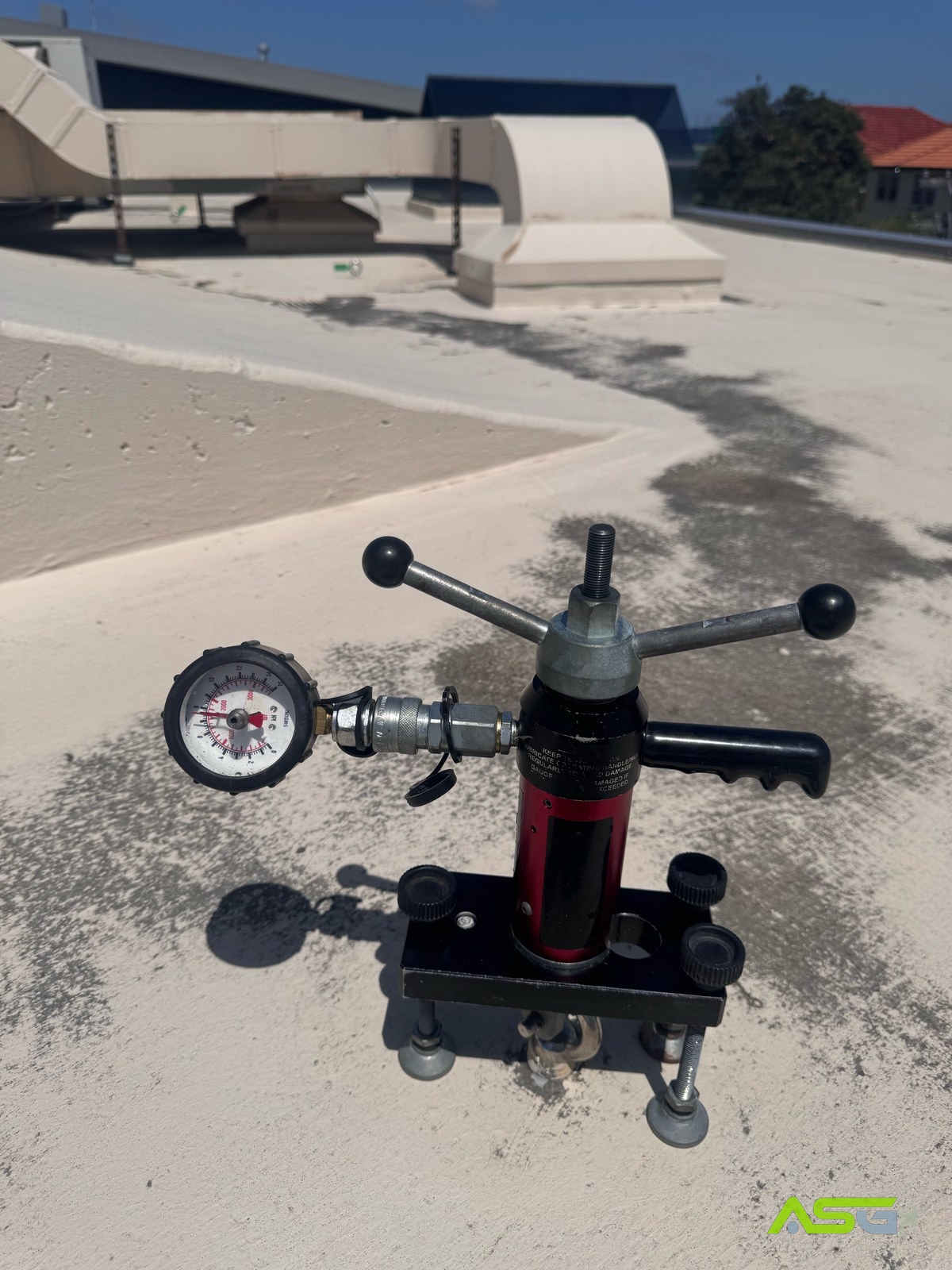
Before booking a roof anchor point certification or existing system review, gather your roof plans, previous reports and a clear description of the work people need to do up there. For a Sydney building owner, strata manager or facility manager, that is a more useful starting point than asking whether an anchor has a current tag. The review needs to consider the equipment, its supporting structure and how the intended task will be carried out.
Start with the maintenance task and the route to it. Safe Work Australia’s national working at heights guidance places work on the ground or a solid construction first where possible. The presence of an anchor point does not, by itself, establish that a particular roof access task is suitable.
Start with the work and the route to it
Write down who needs roof access and what they need to reach. Servicing air conditioning, cleaning gutters and inspecting a facade can involve different areas and access routes.
Give the assessor a clear description of:
- The frequency of rooftop visits by external contractors or internal maintenance staff.
- The specific areas of the roof that require regular foot traffic.
- The primary physical access routes leading from the building entry to the rooftop hatch, ladder, or external stair tower.
Safe Work Australia describes fall prevention devices next if work on the ground or a solid construction is not possible, then work positioning systems if prevention is not possible, and fall arrest systems if positioning is not possible 1. An anchor or static line is a component of a system, not a substitute for deciding which control is appropriate to the task. Ask your assessor to explain the intended use and limitations of your existing setup.
What to send with your enquiry
Send the information you already hold with your enquiry. If a drawing, installation record or previous report is missing, say so rather than guessing. The assessor can explain what additional evidence is needed and whether the proposed review scope needs to change.
Previous reports and installation records
- Previous Certification Reports: Gather past inspection certificates, engineering sign offs, and service logs to establish a baseline history of the hardware.
- Layout Diagrams and As Built Drawings: Rooftop plans or schematic drawings showing the physical location of existing anchor points, static lines, and walkways.
- Product Specifications: Manuals, manufacturer specifications, or batch numbers for installed hardware where available.
The roof and supporting structure
- Roof Deck Construction: Clarify whether the roof substrate is corrugated metal sheeting, concrete slab, standing seam, or a specialised membrane system.
- Fixing Substructure: Information regarding the underlying purlins, concrete strength, or structural steel to which anchors are mounted.
- Edge Protection Status: Details of any existing parapets, fragile surface warnings, or fixed handrail assemblies.
Access and site arrangements
- Key Holder and Security Procedures: Instructions for contractor induction, security sign in, and issuing keys or security fob access to roof hatches.
- Internal and External Transit Paths: Clear pathways through plant rooms or tenant spaces leading to roof access points.
- Parking and Loading Zones: Safe designated zones for service vehicles carrying equipment, testing gear, or replacement components.
Ask what the assessment actually covers
Ask what the proposed review includes. Checking the condition of identified hardware is not the same as assessing the suitability of an entire access arrangement. A useful scope should distinguish the assets being inspected from the tasks, routes and supporting information being considered.
Discuss where the worker needs to go, how they reach that location and what system they are expected to use. Ask whether the review includes the available evidence for the supporting structure and, where relevant, fall clearance and rescue considerations. These are site specific questions for a competent assessor, not conclusions that can be drawn from a photograph or a current inspection tag.
Ask a competent assessor: what emergency and rescue arrangements would be appropriate for the proposed work, and who would be responsible for them? This checklist is not a rescue plan or authorisation to access the roof.
Agree on the records and next actions
Before accepting a quotation, agree on the records you will receive and the assets and areas covered. Ask the provider to identify what was assessed, any limitations on the review, and what remains unresolved. Do not assume that a certificate covers every roof area or every future maintenance task.
Ask how the report will record:
- Asset Register: A unique identifier or tag number mapped to each anchor point or static line section across the roof.
- Defect identification: Recorded observations and photographs of defects, with any restriction or recommended action explained.
- System limitations: Notes on areas, tasks or evidence outside the assessment scope, and any restrictions on use.
- Next actions: Recommendations, priorities and any further assessment or design work needed. Ask which source or requirement supports any compliance conclusion.
Keep the current records somewhere the people arranging roof work can actually find them. Make unresolved defects and restrictions visible, rather than relying on a tag or an old report alone. Records support coordination; they are not, on their own, proof that a task is safe or compliant.
Arrange an ASG review in Sydney
If you are unsure where to start, send ASG the property address, the work that needs roof access, any existing drawings and your latest inspection report. Explain any known defects or access restrictions. That gives us a practical basis for discussing a site specific review, without assuming the existing system is suitable before it has been assessed.
Read about ASG height safety services, or send an enquiry with your site details and available records.
Source and scope
This is general preparation guidance, not a site specific inspection, engineering design, certification or instruction to access a roof. Inspection scope and any testing should be determined for the particular system, supporting evidence and intended use.
The sources below are national guidance, not site certification or evidence of automatic NSW code adoption. Safe Work Australia’s Codes of Practice guidance distinguishes national model guidance from jurisdictional approval 2. Ask a competent assessor which current local requirements apply to the proposed work. These undated HTML pages are identified by their visible titles, not by an inferred publication date.